For a long time, my mind felt like it was being controlled by anxiety, nervousness, and constant overthinking. I was stuck in a permanent state of alertness, as if something was always about to go wrong. My nervous system felt overloaded, and simply getting through the day often felt more like survival than actually living.
At some point—ironically, after overthinking everything as usual—I had a small but powerful realization. My lifestyle was actively fueling my stress. I wasn’t just experiencing anxiety; I was unintentionally creating the perfect conditions for it to thrive. That was the moment I knew something had to change.
Cortisol, often called the “stress hormone,” plays an important role in the body. It helps regulate energy, metabolism, and our response to challenges. But when cortisol levels remain elevated for too long, it can have serious effects on both mental and physical health. Knowing this, I realized I needed to start building a lifestyle that supported lower, more balanced stress levels.
That same day, I began making small changes—nothing drastic, just simple habits that could gradually improve how I felt.
The first change was surprisingly basic: I started drinking more water. I had always been terrible at staying hydrated, and I didn’t realize how much it was affecting me. I was constantly dehydrated, which contributed to feelings of tension, restlessness, and even mental fog. Once I started drinking enough water consistently, I noticed a difference almost immediately. I felt calmer, more stable, and less on edge.
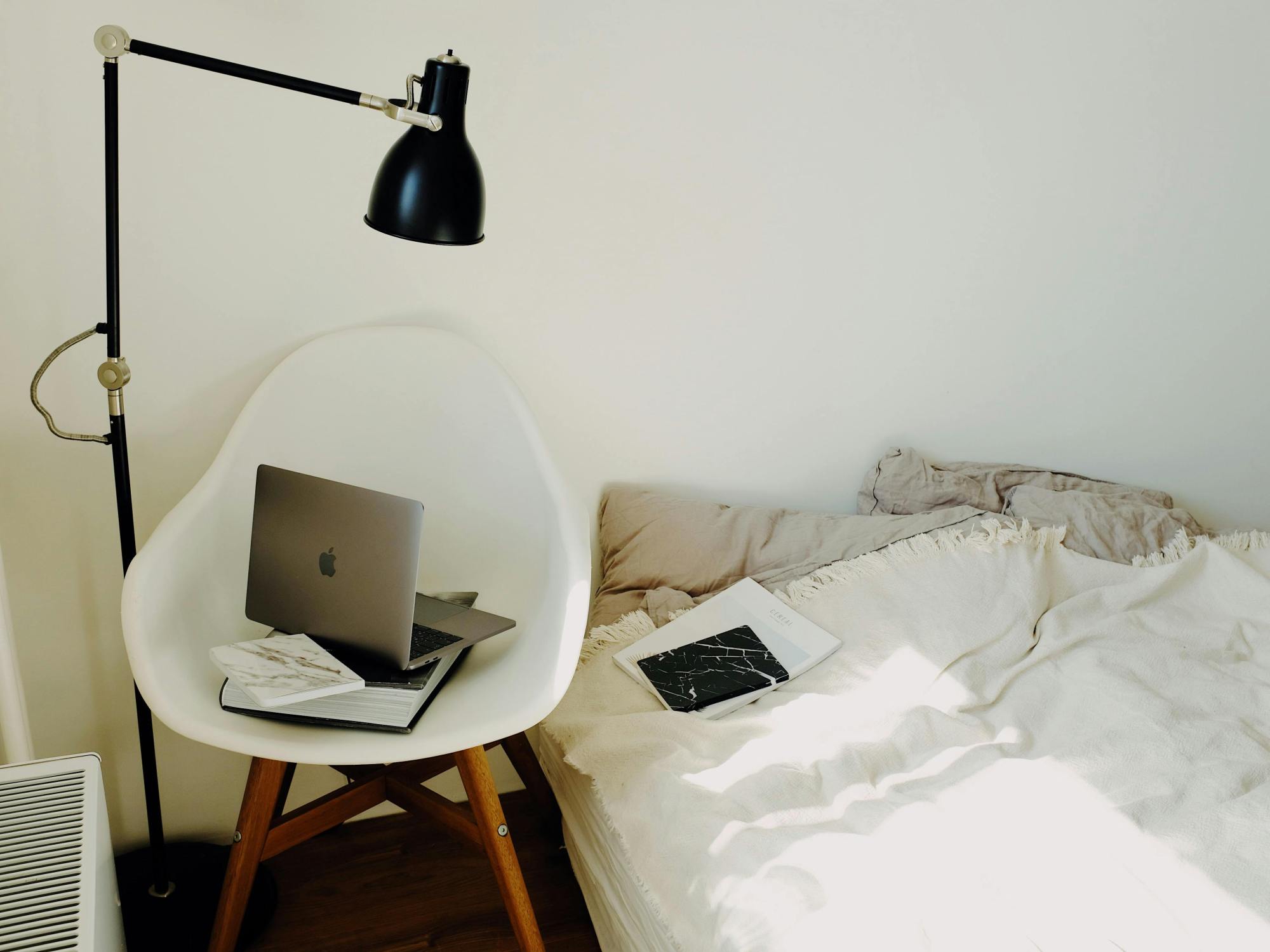
Next, I changed my work environment. As a freelancer, I had fallen into the habit of working from my bed, which blurred the line between rest and productivity. Being in the same space all day made me feel trapped and unmotivated. So I made a rule: if I’m going to work, I leave my bedroom. Even this small boundary helped my mind separate stress from rest, making both work and relaxation more effective.
I also began incorporating physical movement into my routine. I don’t follow a strict workout plan, but I make sure to stay active in ways that feel accessible and sustainable. Whether it’s a short walk, stretching, or light exercise, moving my body has become one of the most powerful tools for managing my mental state. Taking care of my physical health has had a direct and noticeable impact on my emotional well-being.
Right now, I’m still exploring new ways to build a low-stress lifestyle. This is an ongoing process, and my list of habits continues to grow. What excites me the most is how quickly I started seeing results. Within the first week, I already felt a shift—and that gave me the motivation to keep going.
If there’s one thing I’ve learned, it’s that anxiety isn’t always something you have to fight head-on. Sometimes, it’s about changing the environment and habits that are quietly feeding it. Small, consistent actions can make a bigger difference than you might expect—and they can be the first step toward finally feeling in control again.
 The Metropolitan Hideout